
The home upgrades worth making are not always the most obvious ones. A conversation with a real estate professional or a renovation contractor often reveals the same pattern: homeowners who spent significant money on upgrades that seemed impressive — a lavish media room, an oversized custom kitchen in a modest neighborhood, a swimming pool in the wrong climate — frequently find that those improvements returned far less than expected. Meanwhile, homeowners who invested in the fundamentals — updated kitchens and bathrooms, energy-efficient systems, strong curb appeal, and quality finishes — consistently see both improved daily living and stronger long-term value.
The housing market in its current state rewards practicality. With prices remaining high and interest rates elevated, more homeowners are staying in their properties longer and making deliberate choices about where to invest. This shift makes understanding which upgrades genuinely pay off — financially and in how a home functions — more valuable than at any recent point.
This guide covers the home upgrades that consistently deliver the strongest results, organised by category and guided by current data on return on investment, buyer preferences, and practical livability.
What Are the Highest-Return Home Upgrades You Can Make?
Why Is the Kitchen Still the Most Valuable Room to Upgrade?
The kitchen remains the single most influential interior space for home value, buyer perception, and daily quality of life. It is the room that buyers judge most immediately and that homeowners use most consistently — which means improvements here deliver returns in two directions simultaneously.
The most important insight from current renovation data is that a minor to mid-range kitchen remodel typically outperforms a full gut renovation in terms of return on investment. Swapping out countertops, repainting or refacing cabinets, improving lighting, replacing cabinet hardware, and adding a new backsplash can recoup close to the full cost of those changes at resale, while a full premium kitchen remodel in a mid-range home frequently returns a smaller proportion of its significantly higher cost.
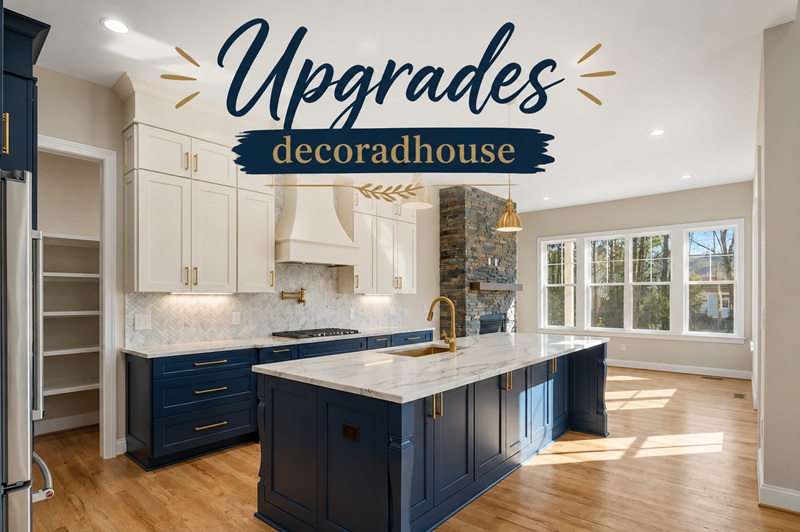
The specific upgrades that make the most visual and practical difference in a kitchen are consistent across renovation research. Countertop replacement — moving from laminate or dated tile to quartzite, honed marble, or a quality stone-look composite — is the highest single-impact surface upgrade available. A new backsplash in handmade tile, subway tile, or a patterned option suited to the kitchen’s style transforms the most visible wall surface in the room at a cost considerably lower than countertop replacement. Under-cabinet lighting, which illuminates the worktop directly and adds a layer of practical task lighting that most kitchens lack, costs very little to install and makes the kitchen both more functional and more visually appealing.
Hardware replacement deserves specific mention because it is consistently underestimated. Replacing standard chrome or brushed nickel cabinet handles and drawer pulls with aged brass, matte black, or antique bronze equivalents costs a few hundred dollars and immediately changes the character of the entire kitchen. It is the single lowest-cost, highest-visibility upgrade available in most kitchens.
A statement pendant light above the island or dining area does for the kitchen’s atmosphere what hardware does for its surfaces. A well-chosen pendant — sculptural ceramic, wicker, glass, or a simple industrial fitting in quality metal — changes the perceived quality of the room entirely and costs considerably less than any structural change.
How Much Value Do Bathroom Upgrades Add?
Bathrooms are the second most consistently high-return upgrade category in residential renovation, and the pattern of returns mirrors the kitchen: targeted improvements that address practical problems and update dated surfaces typically outperform full renovations in terms of return on cost.
The bathroom upgrades that deliver the strongest combined return on investment and daily improvement are fixture replacement, storage improvement, and lighting upgrade — none of which require structural work.
Replacing a dated vanity, an old showerhead, or worn tap fittings with quality equivalents in a current finish — aged brass, matte black, brushed nickel — modernises the bathroom immediately and practically. A walk-in shower conversion, replacing a tub-only arrangement with a tiled shower enclosure, is one of the most consistently requested bathroom changes among buyers and one that addresses a genuine daily functionality concern alongside its aesthetic value.
Heated floors in a bathroom represent one of the most daily-appreciated luxury upgrades available at a relatively modest cost compared to their perceived value. Electric underfloor heating in a bathroom costs between $500 and $1,500 to install depending on the room size and is consistently cited by homeowners as one of the upgrades they are most glad to have made.
Storage in bathrooms is chronically underplanned in most homes. A recessed medicine cabinet, a built-in niche in the shower wall, or under-vanity drawers that replace open cabinet shelving addresses the practical frustration of inadequate bathroom storage while making the room feel cleaner and more considered.
What Exterior Upgrades Add the Most Value?
Does a New Front Door Really Add Value?
Yes — and a new front door is one of the highest-return investments in residential renovation data, consistently cited as delivering a return of 200 percent or more of its cost in terms of perceived home value. The front door is the first element of the home that a visitor, a buyer, or a passer-by sees up close, and it communicates the condition and the character of everything behind it.
A solid-core front door in a quality material — fibreglass, steel, or solid timber — in a considered colour and with quality hardware makes an immediate and disproportionate impression. Jewel tones and earth tones are the colours most cited for front doors in current exterior design guidance: deep navy, forest green, rich terracotta, warm charcoal, and burgundy all read as confident and considered without being so bold that they limit appeal.
Complementary changes to the entry — new house numbers in a font that suits the style of the house, updated exterior light fittings on either side of the door, fresh paint on the surrounding trim, a clean and well-planted entry — amplify the effect of a new door significantly. The entry as a complete composition delivers considerably more impact than any single element within it.
Is a Garage Door Replacement Worth It?
Based on current renovation data from the National Association of Realtors and HomeLight, a new garage door is one of the highest-return exterior investments available — recouping as much as 268 percent of its cost in terms of perceived value increase at resale. For homes where the garage occupies a significant portion of the front elevation, an outdated or deteriorating garage door visually undermines the entire facade regardless of what else has been done to improve the exterior.
A carriage-style garage door in a finish and colour that relates to the rest of the exterior — matching or complementing the front door colour, using hardware that echoes the entry hardware — upgrades the street presence of the home at a cost typically between $1,500 and $4,000 installed.
What Landscaping Upgrades Add Value?
Well-maintained, thoughtfully planted landscaping can add between 10 and 15 percent to a home’s perceived value, according to current real estate research. The key distinction is between maintenance-level landscaping — which simply prevents the exterior from being a negative — and designed landscaping that actively contributes to the home’s appeal.
The upgrades with the strongest return in outdoor landscaping are not necessarily the most elaborate. Fresh mulch in beds, trimmed hedges, a clean lawn, well-defined edges between lawn and planting beds, and healthy seasonal planting in pots beside the entry all contribute to the impression of a well-cared-for property at very modest cost. Outdoor lighting along the driveway and entry path adds safety and visual appeal after dark and extends the impact of curb appeal improvements beyond daylight hours.
For homeowners with the budget for more significant landscaping work, a defined patio or seating area, a fire pit, built-in raised beds, or a pergola over an outdoor dining area all deliver both lifestyle value and measurable property appeal.
What Energy Efficiency Upgrades Are Worth Making?
Energy efficiency has moved from a secondary consideration to a primary one in the current housing market. Buyers increasingly scrutinise energy performance, partly because of elevated energy costs and partly because of a broader awareness of the environmental impact of home energy consumption. Homes that perform well energetically are easier to sell, attract fewer concerns in the inspection and negotiation process, and typically have lower running costs that buyers genuinely value.
The energy efficiency upgrades with the strongest combined financial and practical return are window replacement, insulation improvement, and HVAC upgrading.
Window replacement reduces heating and cooling costs by up to 25 percent or more in poorly performing homes, eliminates the draughts and condensation that make rooms uncomfortable in winter, and improves the acoustic performance of the home simultaneously. Modern double or triple-glazed windows with low-e coating make a perceptible daily difference to comfort that most homeowners underestimate before installation and consistently value highly after.
Attic insulation is one of the least exciting and most consistently recommended home upgrades in renovation guidance. Heat loss through an inadequately insulated roof accounts for a significant proportion of a home’s total energy loss, and improving attic insulation is typically one of the lowest-cost, highest-return energy upgrades available. It is invisible after installation, which is partly why it is so frequently deferred — but its effect on energy bills and thermal comfort is immediate and ongoing.
A heat pump HVAC system replacement, where an older gas or electric resistance system is due for replacement, now attracts federal tax credits and, in many states, additional rebates that significantly reduce the net cost of installation. A modern heat pump system provides both heating and cooling at considerably higher efficiency than resistance electric or older gas systems, and the combination of lower running costs and available incentives makes it a financially strong upgrade in most markets.
Smart thermostats, LED lighting throughout, and water-efficient fixtures are the lower-cost energy efficiency upgrades that add measurable value at modest cost. A smart thermostat costs around $150 to $250 installed and typically reduces heating and cooling costs by 10 to 15 percent through automatic scheduling and remote control. These smaller upgrades are worth making before any sale and are worth making immediately for the ongoing cost savings they produce.
What Storage Upgrades Make the Most Difference?
Storage is the home feature that most consistently affects daily quality of life and that is most chronically undervalued in renovation planning. A home with adequate, well-organised storage feels larger, calmer, and more liveable than one where objects accumulate on surfaces, in corners, and in overloaded cupboards — and it reads as more considered and better maintained to buyers.
The storage upgrades with the highest daily impact are built-in shelving, mudroom organisation, and bedroom wardrobe improvement.
Built-in shelving — in living rooms, hallways, home offices, and under-stair spaces — captures storage capacity that would otherwise be achieved through freestanding furniture that consumes floor space and typically looks less resolved. A pair of built-in alcove shelves flanking a chimney breast in a living room, taken to ceiling height with lower closed cupboards and upper open shelving, provides substantial storage while adding architectural character that freestanding furniture cannot replicate.
A mudroom or organised entryway is one of the most consistently appreciated home upgrades in surveys of homeowners and one of the features most requested by buyers with families. Even a modest entryway improvement — a built-in bench with storage below, hooks at two heights for adults and children, a shelf above, and good lighting — transforms the daily experience of entering and leaving the home. A proper mudroom addition, where the layout allows, with built-in cabinetry, a utility sink, and a separate entrance from the garage or garden, adds functional square footage that buyers with active families consistently value.
Bedroom wardrobe and storage improvement is the renovation project that most homeowners delay the longest and most consistently wish they had addressed earlier. A fitted wardrobe system — whether fully custom, from a quality modular supplier, or built using standard components with bespoke finishing — provides more usable storage per square foot than freestanding furniture, can be taken to ceiling height to capture overhead storage, and makes a bedroom feel considerably calmer and more deliberate than one where wardrobes and chests of drawers crowd the floor plan.
What Home Office Upgrades Are Worth Making?
The home office has shifted from a luxury to a functional necessity for a significant proportion of the workforce. With 23 percent of the US workforce working from home in late 2025 and the remote workplace services market projected to continue growing, a dedicated and well-designed home office space adds genuine value both in daily use and in market appeal.
The home office upgrades that make the most practical difference are proper ergonomic seating, adequate desk space, good task lighting, and acoustic separation from the rest of the home.
A built-in desk with integrated shelving above it transforms a corner of a room into a functional dedicated workspace at a cost considerably lower than constructing a separate room. The discipline of having a defined work zone — even within a shared room — makes daily working life considerably more productive and makes the space easier to show as a home office feature.
Acoustic treatment of a home office — through heavy curtains, rugs, upholstered furniture, and dedicated acoustic panels if necessary — reduces noise transmission and creates the kind of focused working environment that an untreated room in a busy household cannot provide. This is particularly valuable in period properties where solid floors and high ceilings create significant echo and sound transmission.
Converting underused space — a walk-in closet, an alcove, a portion of a basement — into a compact home office is one of the most efficient uses of existing square footage available. A well-designed compact office in a converted cupboard or under-stair space is more valuable as a dedicated workspace than the same area left as general storage.
What Are the Lowest-Cost, Highest-Impact Home Upgrades?
Not all meaningful home upgrades require significant budgets. Several improvements deliver disproportionate visual and practical impact at modest cost.
Fresh interior paint is the single most cost-effective home improvement available. A freshly painted room in a considered colour — warm neutral tones rather than the default magnolia or brilliant white — transforms the space at a cost primarily of time. Choosing quality paint and preparing surfaces properly produces results that last for years, while poor preparation on a low-cost paint produces results that deteriorate quickly and look cheap. The difference between a paint job done well and one done hastily is immediately visible.
Refinishing existing timber floors produces results that homeowners and buyers consistently describe as transformative. Sanded and refinished original timber boards recover the character and warmth that years of wear and finishing have obscured, and the result is invariably more satisfying than any engineered floor product laid over the original boards. The cost of professional floor sanding and refinishing is modest relative to the impact.
Replacing dated light fittings throughout the home — the standard builder-grade pendants and flush-ceiling fittings that most homes are delivered with — with quality alternatives suited to the style of the home is one of the most consistently underestimated upgrades available. A well-chosen light fitting does more for the atmosphere of a room than almost any equivalent expenditure on furniture or accessories.
Power washing the exterior of the home — the facade, the driveway, the paths, and the patio — removes the accumulated grime and discolouration that makes a well-maintained property look neglected and recovers the appearance of surfaces that may not need any more significant treatment. It is the closest thing available to a free home improvement, requiring only the hire of a pressure washer and a few hours of effort.
What Home Upgrades Should You Avoid?
Not all upgrades add value, and some actively complicate a sale or provide returns well below their cost.
Highly customised finishes that reflect a specific personal taste narrowly, rather than appealing broadly, tend to return less than their cost. A kitchen in an unusual colour combination, a bathroom tiled entirely in a bold pattern, or a living room built around a very specific aesthetic may be exactly right for the current owner and actively off-putting to a significant proportion of future buyers.
Swimming pools are a consistent example of an upgrade whose return varies dramatically by market and by buyer profile. In hot-climate markets with outdoor-focused lifestyles, a pool can add genuine value. In cooler climates or with buyers who have young children or dogs, a pool is often perceived as a liability — maintenance cost, safety concern, and lost yard space. The decision should be made primarily on lifestyle grounds rather than as an investment calculation.
Over-improving relative to the neighborhood is a consistent renovation mistake. A hyper-premium kitchen in a home surrounded by modestly appointed comparable properties returns less than the same kitchen in a neighborhood where premium finishes are standard. The goal is to bring the home to the level of the best properties in its immediate market, not to significantly exceed it.
Deferred maintenance allowed to accumulate behind cosmetic improvements is the upgrade mistake with the most serious consequences. A roof near the end of its life, outdated electrical systems, plumbing that needs attention, or failing damp proofing all undermine the value of every cosmetic improvement made over them. Buyers and their surveyors find these issues, and they trigger price renegotiations or deal collapses that cosmetic upgrades cannot prevent. Addressing the fundamentals before the surfaces is always the correct order of priorities.
The Principle Behind Every Worthwhile Home Upgrade
The home upgrades that consistently deliver the strongest results — in daily quality of life and in long-term value — share a common characteristic. They improve how the home functions before they improve how it looks, and where they do both simultaneously, they do so with materials and finishes that age well rather than ones that look impressive immediately and date quickly.
A home that is well-maintained, functionally sound, energy-efficient, well-lit, and appropriately stored will outperform a home of equivalent size and location that has been decorated impressively but neglected structurally. The best upgrades are the ones that make the home work better for the people who live in it and that communicate care, quality, and coherence to anyone who comes after them.
That is the principle that underlies every upgrade on this list — and the one worth returning to whenever a renovation decision feels unclear.